
Picture this: vibrant green spears, kissed by the heat of the oven, emerging tender-crisp and bursting with a subtly sweet, nutty flavor. That, my friends, is the magic of a perfectly Roasted Asparagus Recipe.
I remember the first time I made this dish; I was aiming for culinary sophistication, but all I achieved was slightly charred stalks and a smoke alarm symphony. But don’t worry, this version is foolproof and guaranteed to impress.
- Effortless to prepare, this recipe is ready in under 20 minutes, making it perfect for busy weeknights.
- Roasting brings out the natural sweetness of asparagus, enhanced with simple seasonings for a delightful flavor profile.
- The vibrant green color of roasted asparagus adds a pop of freshness and elegance to any plate.
- This versatile side dish pairs perfectly with chicken, fish, beef, or enjoyed on its own as a light and healthy snack.
Ingredients for Roasted Asparagus Recipe
Here’s what you’ll need to make this delicious dish:
The full ingredients list, including measurements, is provided in the recipe card directly below.
How to Make Roasted Asparagus Recipe
Follow these simple steps to prepare this delicious dish:
Step 1: Prep the Asparagus
Preheat your oven to 400°F (200°C). Wash the asparagus thoroughly and snap off the tough ends. They usually break naturally where the stalk becomes tender. Discard the tough ends.
Step 2: Season the Spears
Place the asparagus spears in a bowl and drizzle with olive oil. Sprinkle with garlic powder, salt, and pepper. Toss to coat evenly, ensuring each spear is lightly seasoned.
Step 3: Roast to Perfection
Spread the asparagus in a single layer on a baking sheet. Roast in the preheated oven for 10-12 minutes, or until the asparagus is tender-crisp and slightly browned. Keep a close eye on them; cooking times can vary depending on the thickness of the spears.
Step 4: Add a Zesty Finish
Remove the Roasted Asparagus Recipe from the oven and immediately squeeze fresh lemon juice over the spears. This brightens the flavor and adds a delightful zing.
Step 5: Serve and Enjoy
Transfer the Roasted Asparagus Recipe to a serving dish. Serve immediately as a side dish to your favorite main course, or enjoy it as a healthy and delicious snack.
Step 6: Optional Garnish
For an extra touch of flavor, sprinkle with a bit of grated Parmesan cheese or a sprinkle of red pepper flakes before serving.
Perfecting the Cooking Process
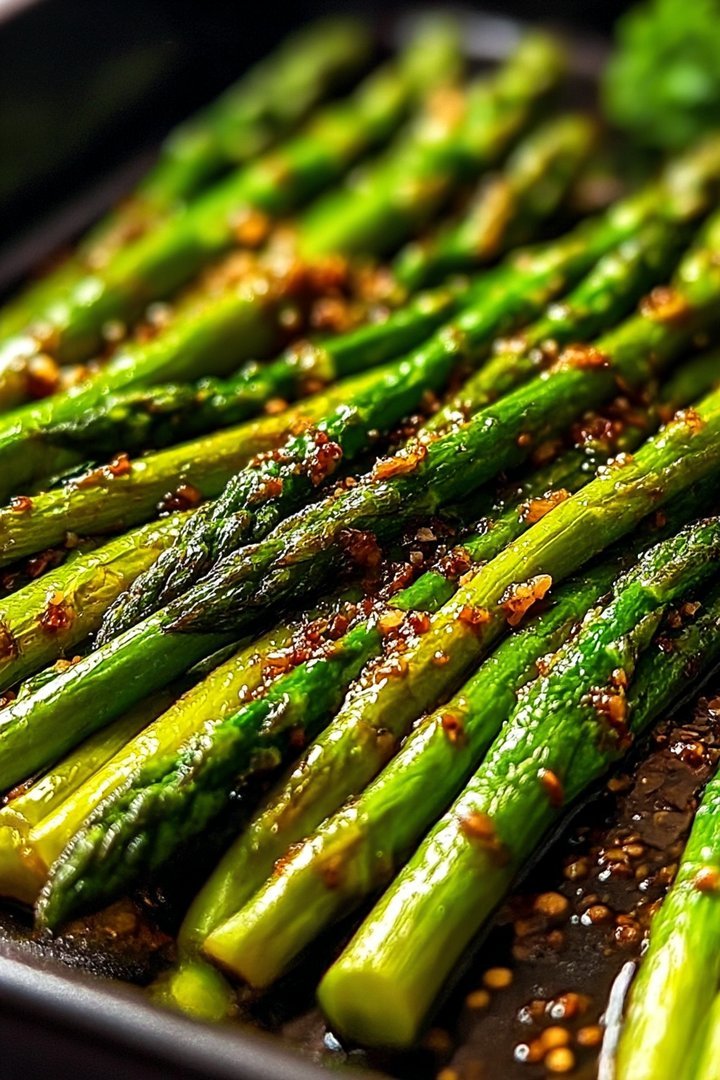
For optimal results with this **Roasted Asparagus Recipe**, prep your asparagus first! Washing and trimming ensures even cooking. Preheat your oven fully before roasting to get that perfect crisp-tender texture. This simple sequence makes all the difference.
Add Your Touch
Feeling adventurous? You can definitely make this **Roasted Asparagus Recipe** your own! Try a sprinkle of lemon pepper instead of salt and pepper. For a richer flavor, add a drizzle of balsamic glaze after roasting. Get creative and enjoy.
Storing & Reheating
To store your leftover **Roasted Asparagus Recipe**, place it in an airtight container in the refrigerator. It will keep for about three days. When reheating, a quick toss in a hot pan or a brief microwave session works wonders.
Here are some helpful tips to make your **Roasted Asparagus Recipe** a culinary masterpiece:
- Don’t overcrowd the baking sheet; spread the asparagus in a single layer for even roasting and optimal crispness.
- Toss the asparagus with olive oil and seasonings right before roasting to prevent it from becoming soggy.
- For extra flavor, try broiling the asparagus for the last minute or two, keeping a close watch to prevent burning.
(Personal anecdote formated as paragraph subheading)
My family always requests this dish for holidays. One year, I accidentally used garlic powder instead of onion powder. Surprisingly, it was a hit, and now it’s our little secret ingredient.
The Star of the Show: Asparagus Selection
Asparagus. Those slender green stalks that whisper of spring and sunshine. But let’s be honest, not all asparagus is created equal. Picking the right bunch is the first, crucial step to unlocking the full potential of your **Roasted Asparagus Recipe**. Think of it like choosing a dance partner – you want someone who’s lively, flexible, and ready to move! Forget those limp, sad-looking spears lurking in the back. We’re aiming for vibrant green stalks, firm to the touch, with tightly closed tips. These are the hallmarks of freshness and flavor. Thicker stalks are fantastic for roasting, as they hold their shape and don’t turn to mush. So, embrace your inner produce connoisseur and choose wisely! Your taste buds will thank you.
Grading Your Greens
Once you’ve gathered your potential asparagus candidates, give them a good once-over. Are they uniformly green? Are the tips compact and slightly purple-tinged? These are good signs! Avoid stalks that are wilted, slimy, or have started to yellow. That’s a one-way ticket to Flavor Town… population: zero. Pay attention to the thickness, too. While thin asparagus is delicate and quick to cook, it can easily overcook in a **Roasted Asparagus Recipe**. Aim for medium to thick stalks for the best texture and flavor payoff. Also, give them a sniff! Fresh asparagus should have a subtle, grassy aroma. If it smells funky or sour, put it back!
The Snap Test
Here’s a fun test: gently bend an asparagus stalk. It should snap crisply near the base. If it bends limply, it’s past its prime. This simple trick tells you how much of the stalk will be tender and edible. The tougher, woody end is what we’ll be trimming away later, so don’t worry about that part just yet. But the snap test gives you a general idea of the asparagus’s overall freshness. Remember, fresh asparagus is happy asparagus, and happy asparagus makes for a delicious **Roasted Asparagus Recipe**.
Prepping for Perfection: Trimming and Washing
Now that you’ve secured the perfect asparagus spears, it’s time to get down to business. Preparing your asparagus properly is just as important as selecting the right bunch. Think of it as prepping your canvas before painting a masterpiece. The key here is to remove the tough, woody ends that can ruin the texture of your final dish. Nobody wants to chew on stringy, bitter bits of asparagus! And, of course, we need to give those stalks a good scrub to remove any lingering dirt or grit. Let’s get started!
The Art of the Trim
There are a couple of schools of thought when it comes to trimming asparagus. The first is the “snap” method, which we touched on earlier. Simply hold the stalk near the base and gently bend it until it snaps. The asparagus will naturally break at the point where the tender part meets the tough part. The second method is to use a knife to cut off the bottom inch or two of the stalk. This is a more precise method, but it can also lead to wasting more of the asparagus if you’re not careful. I prefer the snap method because it’s quick, easy, and minimizes waste. Plus, it’s strangely satisfying!
Washing Away the Worries
Once you’ve trimmed your asparagus, it’s time for a bath! Place the spears in a colander and rinse them thoroughly under cold running water. Use your fingers to gently rub away any dirt or grit. Pay special attention to the tips, as they can sometimes trap dirt. For extra cleanliness, you can soak the asparagus in a bowl of cold water for a few minutes before rinsing. This helps loosen any stubborn dirt particles. Once they’re squeaky clean, pat the asparagus dry with a paper towel. This will help them roast properly and prevent them from steaming in the oven.
Uniformity is Key
To ensure even cooking, it’s helpful to aim for some uniformity in your asparagus spears. If you have a mix of thick and thin stalks, consider slicing the thicker ones lengthwise. This will help them cook at the same rate as the thinner ones, preventing some from being overcooked while others are still underdone. It’s all about creating a harmonious balance in your **Roasted Asparagus Recipe**.
Flavor Infusion: Seasoning Sensations
Okay, your asparagus is looking gorgeous, trimmed, and clean. Now for the fun part: flavor! This is where you get to transform those humble green stalks into something truly special. A simple **Roasted Asparagus Recipe** can be elevated with the right blend of seasonings. We’re talking about creating a symphony of flavors that dance on your tongue. Olive oil, salt, and pepper are the classic trio, but don’t be afraid to experiment and add your own personal touch.
The Olive Oil Advantage
First things first, olive oil. A good quality extra virgin olive oil is essential for creating a delicious **Roasted Asparagus Recipe**. It adds richness, helps the asparagus crisp up in the oven, and provides a subtle fruity flavor. Don’t skimp on the olive oil! A generous drizzle is key. Toss the asparagus spears with the olive oil in a bowl to ensure they’re evenly coated. This will prevent them from drying out in the oven.
Salt and Pepper: The Dynamic Duo
Next up, salt and pepper. These are the foundation of almost any good dish. Use freshly ground black pepper for the best flavor. As for the salt, kosher salt or sea salt are great choices. They have a cleaner, more pronounced flavor than table salt. Sprinkle the salt and pepper evenly over the asparagus, making sure to season all sides. Remember, you can always add more salt and pepper later, but you can’t take it away.
Beyond the Basics: Flavor Enhancers
Now for the fun part: adding some personality to your **Roasted Asparagus Recipe**. Here are a few ideas to get your creative juices flowing:
- **Garlic:** Minced garlic adds a pungent, savory flavor that pairs perfectly with asparagus. Toss the asparagus with the garlic and olive oil before roasting.
- **Lemon:** A squeeze of fresh lemon juice brightens up the flavors and adds a zesty kick. Drizzle the lemon juice over the asparagus after it’s finished roasting.
- **Parmesan Cheese:** A sprinkle of grated Parmesan cheese adds a salty, nutty flavor. Add the Parmesan cheese during the last few minutes of roasting so it melts and browns slightly.
- **Red Pepper Flakes:** For a touch of heat, add a pinch of red pepper flakes to the asparagus before roasting.
- **Everything Bagel Seasoning:** This trendy seasoning blend adds a savory, crunchy element to your **Roasted Asparagus Recipe**. Sprinkle it over the asparagus before roasting.
Roasting to Perfection: Time and Temperature
Alright, the asparagus is prepped, seasoned, and ready to go! Now, let’s talk about the most important part: roasting it to perfection. The goal here is to achieve that magical combination of crisp-tender texture and caramelized flavor. The key is to find the sweet spot between the right temperature and the right cooking time. Too little time, and the asparagus will be undercooked and tough. Too much time, and it will be overcooked and mushy. Nobody wants mushy asparagus!
The Ideal Temperature
For a **Roasted Asparagus Recipe**, 400°F (200°C) is generally considered the gold standard. This temperature is high enough to ensure the asparagus roasts quickly and develops a nice char, but not so high that it burns. Make sure your oven is fully preheated before you put the asparagus in. This will help it cook evenly.
Timing is Everything
The cooking time will vary depending on the thickness of your asparagus spears. Thin asparagus will cook more quickly than thick asparagus. As a general guideline, aim for around 10-15 minutes for thin asparagus and 15-20 minutes for thick asparagus. The best way to tell if the asparagus is done is to check it with a fork. It should be tender-crisp, meaning it’s tender enough to pierce easily with a fork, but still has a slight bite to it.
The Roasting Process
Spread the seasoned asparagus in a single layer on a baking sheet. Make sure the spears aren’t overcrowded, as this will cause them to steam instead of roast. Roast the asparagus in the preheated oven for the recommended time, flipping it halfway through to ensure even cooking. Keep a close eye on the asparagus during the last few minutes of roasting to prevent it from burning.
Broiling for a Charred Finish
If you want to add an extra touch of char to your **Roasted Asparagus Recipe**, you can broil it for the last minute or two of cooking. Just be sure to watch it carefully, as it can burn quickly under the broiler.
(Personal anecdote formated as paragraph subheading)
I once forgot about asparagus in the oven and ended up with charcoal sticks. My dog loved them, but my family was less impressed. Always set a timer!
Conclusion for Roasted Asparagus Recipe :
This roasted asparagus recipe is a delightful way to enjoy a healthy and delicious side dish. The simple combination of asparagus, olive oil, salt, and pepper creates a flavorful and satisfying result. Remember to trim the woody ends, roast at a high temperature, and keep an eye on the cooking time for perfectly tender-crisp asparagus. This is the perfect recipe for everyone! Enjoy this easy and quick dish as a side to any meal, or on its own as a light snack.
Print
Roasted Asparagus Recipe
Delicious roasted asparagus recipe recipe with detailed instructions and nutritional information.
- Total Time: 35 minutes
- Yield: 4 servings
Ingredients
- Asparagus: 1 pound, trimmed
- Olive oil: 2 tablespoons
- Garlic powder: 1/2 teaspoon
- Salt: 1/4 teaspoon
- Black pepper: 1/4 teaspoon
- Lemon juice: 1 tablespoon
- Parmesan cheese: 2 tablespoons, grated
- Red pepper flakes: Pinch (optional)
Instructions
- Step 1: Preheat your oven to 400°F (200°C).
- Step 2: Wash the asparagus and snap off the tough ends. Place the asparagus in a single layer on a baking sheet.
- Step 3: Drizzle the asparagus with olive oil, then sprinkle with garlic powder, salt, and pepper. Toss to coat evenly.
- Step 4: Roast in the preheated oven for 10-15 minutes, or until the asparagus is tender-crisp and slightly browned.
- Step 5: Remove from oven and sprinkle with lemon juice, Parmesan cheese, and red pepper flakes (if using). Serve immediately.
Notes
- Store leftover roasted asparagus in an airtight container in the refrigerator for up to 3 days.
- To reheat, spread the asparagus on a baking sheet and warm in a 350°F oven for a few minutes, or until heated through.
- Serve roasted asparagus as a vibrant side dish alongside grilled chicken or fish.
- For extra flavor, try roasting the asparagus with a drizzle of balsamic glaze after it comes out of the oven.
- Prep Time: 15 minutes
- Cook Time: 20 minutes
- Method: Stovetop
- Cuisine: American
FAQs :
Is this Roasted Asparagus Recipe suitable for beginners?
Absolutely! This recipe is so straightforward, it’s practically foolproof. If you can preheat an oven and drizzle some olive oil, you’re already halfway there. Seriously, even if your culinary skills are limited to boiling water (and sometimes burning that), you can nail this roasted asparagus dish. It’s a fantastic way to introduce yourself to the joys of simple, flavorful cooking, and impress your friends and family with minimal effort. Get ready to experience the magic of perfectly roasted asparagus!
Can I use frozen asparagus for this easy Roasted Asparagus Recipe?
While fresh asparagus is ideal for the best texture and flavor, frozen asparagus can work in a pinch. Just make sure to thaw it completely and pat it dry before roasting. Excess moisture will lead to steaming instead of roasting, resulting in soggy asparagus, and nobody wants that. So, squeeze out any excess water and proceed with the recipe as usual. Keep an eye on the cooking time, as frozen asparagus might cook a little faster. Remember, fresh is best, but frozen can save the day!
How do I store leftover Roasted Asparagus?
Got leftover roasted asparagus? Lucky you! Store it in an airtight container in the refrigerator for up to three days. To reheat, you can toss it back in a warm oven for a few minutes, or even microwave it briefly. However, microwaving can make it a bit soft, so the oven is preferable. Cold roasted asparagus is also surprisingly delicious tossed in salads or added to frittatas. So, don’t let those precious spears go to waste!
What other seasonings can I add to my Roasted Asparagus Recipe?
Oh, the possibilities! While salt, pepper, and olive oil are a classic combination, feel free to experiment with other flavors. A sprinkle of garlic powder or onion powder can add a savory depth. Red pepper flakes provide a touch of heat, while a squeeze of lemon juice brightens things up. For a more gourmet twist, try adding a dusting of Parmesan cheese or a drizzle of balsamic glaze after roasting. The sky’s the limit, so get creative and customize your roasted asparagus to your liking!



Leave a Comment